

Personal growth is not about changing your entire life overnight. It is about making intentional improvements, one goal at a time. Many people set goals, but very few achieve them—not because they lack talent, but because they lack clarity, structure, and consistency.
Setting goals the right way and following through with action is a skill. Once you learn it, personal growth becomes practical, not motivational talk.
What Are Personal Goals and Why Do They Matter?
Personal goals are clear intentions about what you want to improve, achieve, or change in your life. They give direction to your time, energy, and decisions. Without goals, growth becomes random and unfocused.
Goals matter because they help you move from wishing to doing. They turn ideas into action and dreams into measurable progress.
Why Personal Goals Are Important
- Provide clarity and direction
- Help measure progress
- Improve self-discipline
- Build confidence through achievement
Why Most People Fail to Achieve Their Goals
Many goals fail before they even begin. People often set goals based on emotion, comparison, or pressure rather than clarity and planning. As motivation fades, confusion takes over.
Another major reason is setting unrealistic expectations. When goals feel too big or overwhelming, people give up instead of adjusting their approach.
Common Goal-Setting Mistakes

- Setting vague or unclear goals
- Trying to change everything at once
- Relying only on motivation
- Not having a clear action plan
Step 1: Set Clear and Meaningful Goals
A goal should be specific and personally meaningful. If you don’t know why a goal matters to you, it will be easy to quit when challenges appear.
Clear goals create focus. Meaningful goals create commitment. Both are necessary for real personal growth.
How to Set Better Goals
- Be specific instead of general
- Attach a strong personal reason
- Make sure the goal aligns with your values
- Focus on progress, not perfection
Step 2: Break Big Goals Into Small Actions
Big goals often feel intimidating. Breaking them into small, manageable actions makes them achievable. Small steps reduce fear and increase consistency.
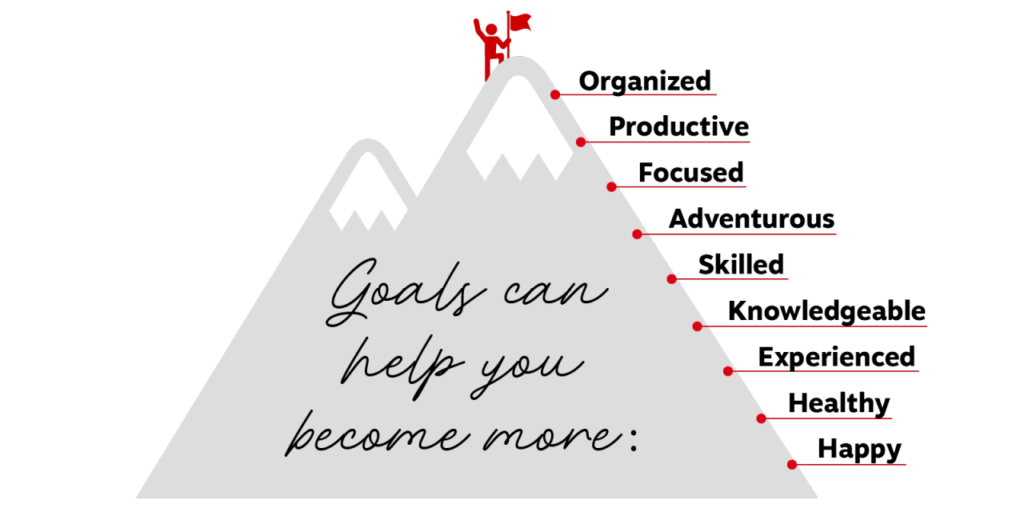
When you focus on daily or weekly actions, progress becomes natural and sustainable instead of stressful.
Example
Instead of: “I want to improve my health”
Try: “I will walk 20 minutes, 5 days a week.”
Benefits of Small Steps
- Builds momentum
- Reduces procrastination
- Creates daily wins
- Makes progress visible
Step 3: Build Systems, Not Just Motivation
Motivation is temporary, but systems last. Systems are routines, habits, and environments that support your goals even when you don’t feel motivated.
When your daily life supports your goals, discipline becomes easier and progress becomes automatic.
Examples of Helpful Systems
- Fixed time for goal-related tasks
- Habit tracking or journaling
- Reducing distractions
- Creating reminders and accountability
Step 4: Stay Consistent, Not Perfect
Consistency matters more than intensity. Missing one day doesn’t mean failure—quitting does. Personal growth is a long-term process, not a quick result.
Learning to return to your goals after setbacks is a key part of success.
How to Maintain Consistency
- Focus on showing up, not results
- Forgive mistakes quickly
- Review progress weekly
- Adjust goals when needed
How to Handle Failure and Setbacks
Setbacks are part of growth. Instead of seeing failure as proof that you can’t succeed, treat it as information that helps you improve your approach.
People who achieve goals don’t fail less—they learn faster.
Healthy Response to Failure
- Analyze what went wrong
- Adjust strategy, not the goal
- Avoid self-blame
- Keep moving forward
Successful vs Unsuccessful Goal Setters
| Aspect | Successful Goal Setters | Unsuccessful Goal Setters |
|---|---|---|
| Goal Clarity | Clear and specific | Vague and general |
| Focus | Process and habits | Only end results |
| Mindset | Growth-oriented | Fear-based |
| Consistency | Regular effort | Inconsistent effort |
| Response to Failure | Learns and adjusts | Quits or avoids |
How Achieving Goals Builds Personal Growth
Every achieved goal strengthens self-belief. You start trusting yourself to follow through, which improves confidence and decision-making in other areas of life.
Personal growth compounds. One achieved goal makes the next one easier.
Growth Comes From Action, Not Intention
Personal growth is not about setting perfect goals—it’s about taking imperfect action consistently. Clear goals, small steps, strong systems, and patience create real change.
If you want to grow, stop waiting for the perfect moment. Set one meaningful goal, take one small step, and let progress do the rest.
This content is for informational and motivational purposes only. Results may vary based on individual effort and circumstances.
#PersonalGrowth #GoalSetting #AchieveYourGoals #SelfImprovement #LifeGoals #SuccessHabits #GrowthMindset #GoalAchiever #MotivationDaily #DisciplineOverMotivation #SelfDevelopment #ProductivityTips #MindsetMatters #ConsistencyIsKey #BetterEveryDay